Zia's Pakistan
A cinematic scrollytelling deck on how General Muhammad Zia-ul-Haq held power in a volatile frontline state: through Islamization, military cooptation, Afghan war pressure, selective economic luck, and a political system built to survive without real democratic legitimacy.

General Zia ul‑Haq & His Era
- Rise to Power: Overthrew PM Bhutto in the 1977 "Operation Fair Play" coup, turning a 90‑day promise into an 11‑year rule.
- Ideological Shift: Spearheaded formal Islamization through Shariah courts, Hudood Ordinances, and Zakat.
- Deep Divisions: Sweeping reforms sparked pushback from women's groups, lawyers, and the Shia community.
- Cold War Dynamics: Leveraged the Soviet‑Afghan War to position Pakistan as a U.S.‑backed "frontline state."

Craig Baxter & Project Context
- Editor's Profile: Baxter blended academic political science with real-world U.S. diplomatic experience.
- Strategic Purpose: Commissioned by the U.S. State Dept as a briefing document for American policymakers on Pakistan.
- Policy Focus: Prioritises practical stability, interest groups, and policy implications over pure theory.
- Collaborative Expertise: Assembles top scholars for specialised chapters on economics, military, rural/urban sociology, and refugees.

Book Structure & The Five Lenses
- Central Question: How did Zia's regime survive by managing five key interest groups within Pakistani society?
- Urban & Rural: Military benefits and Gulf remittances acted as safety valves to keep transforming districts calm.
- Economic Paradox: Rapid growth fuelled by foreign aid and remittances, despite lacking a coherent economic philosophy.
- Military & Refugees: Details military expansion into civilian enterprises and predicts permanent Afghan refugee integration.
Core Arguments & Conclusion
- Survival vs. Legitimacy: Zia maintained power but never achieved genuine political legitimacy or public consent.
- Manufactured Mandates: The 1984 referendum illustrates how the regime generated votes, not genuine alternatives.
- Persistent Unrest: Despite strict control, Sindh was never genuinely pacified during Zia's rule.
- Temporary Stability: Military rule, economic windfalls, and Islamization could not provide structural long‑term stability.

Urban Pakistan Under Zia — Ch. 1 (LaPorte)
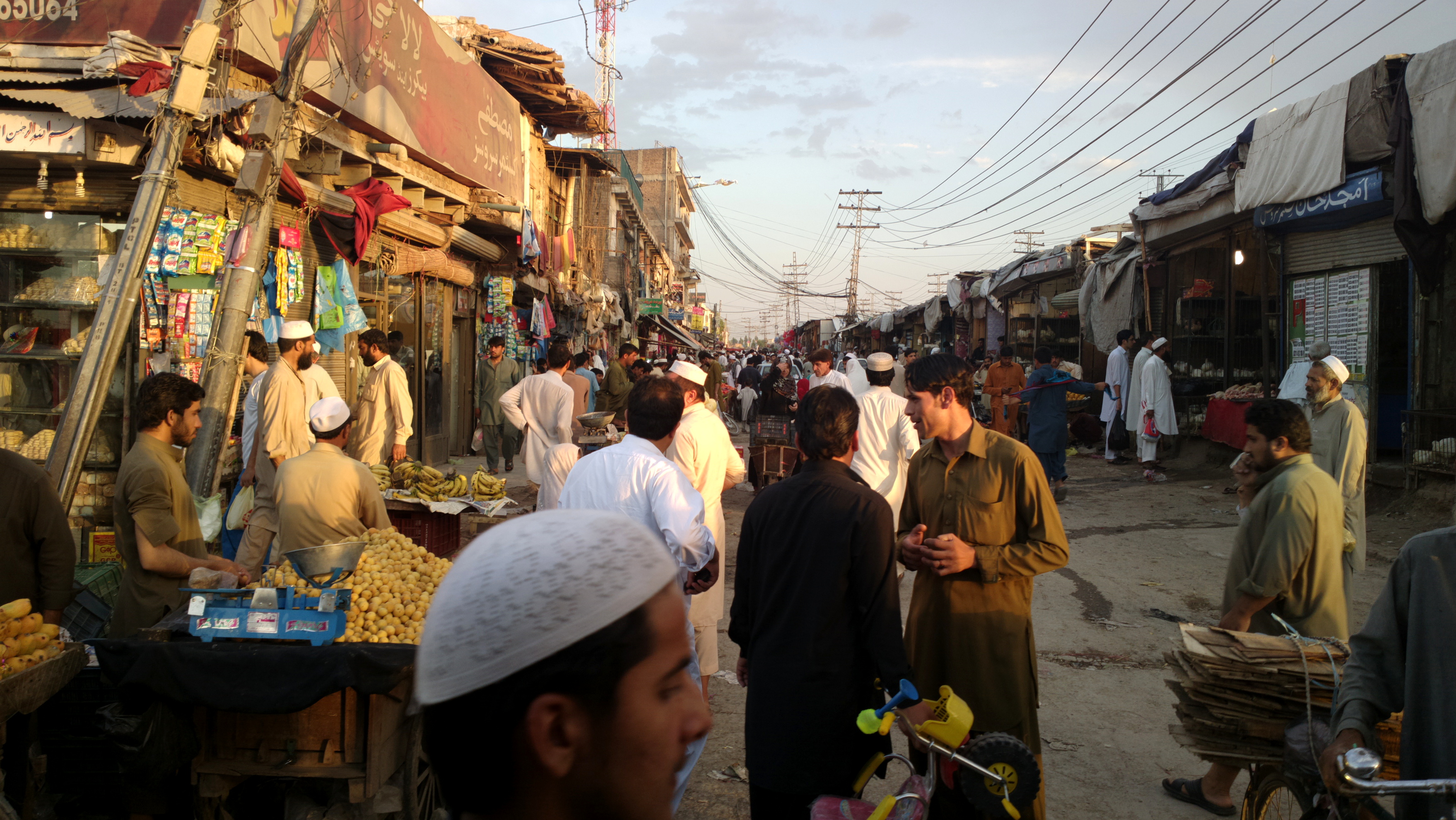
- Rapid Urbanisation: Karachi grew from 360,000 to 7 million; cities were structurally unprepared for that scale.
- Class Polarisation: Military-business elite vs. an expanding urban working poor — with a restive middle class in between.
- Middle-Class Dissent: Professionals (lawyers, academics) opposed martial law but remained politically isolated.

The Gulf Safety Valve — Ch. 1 (LaPorte)
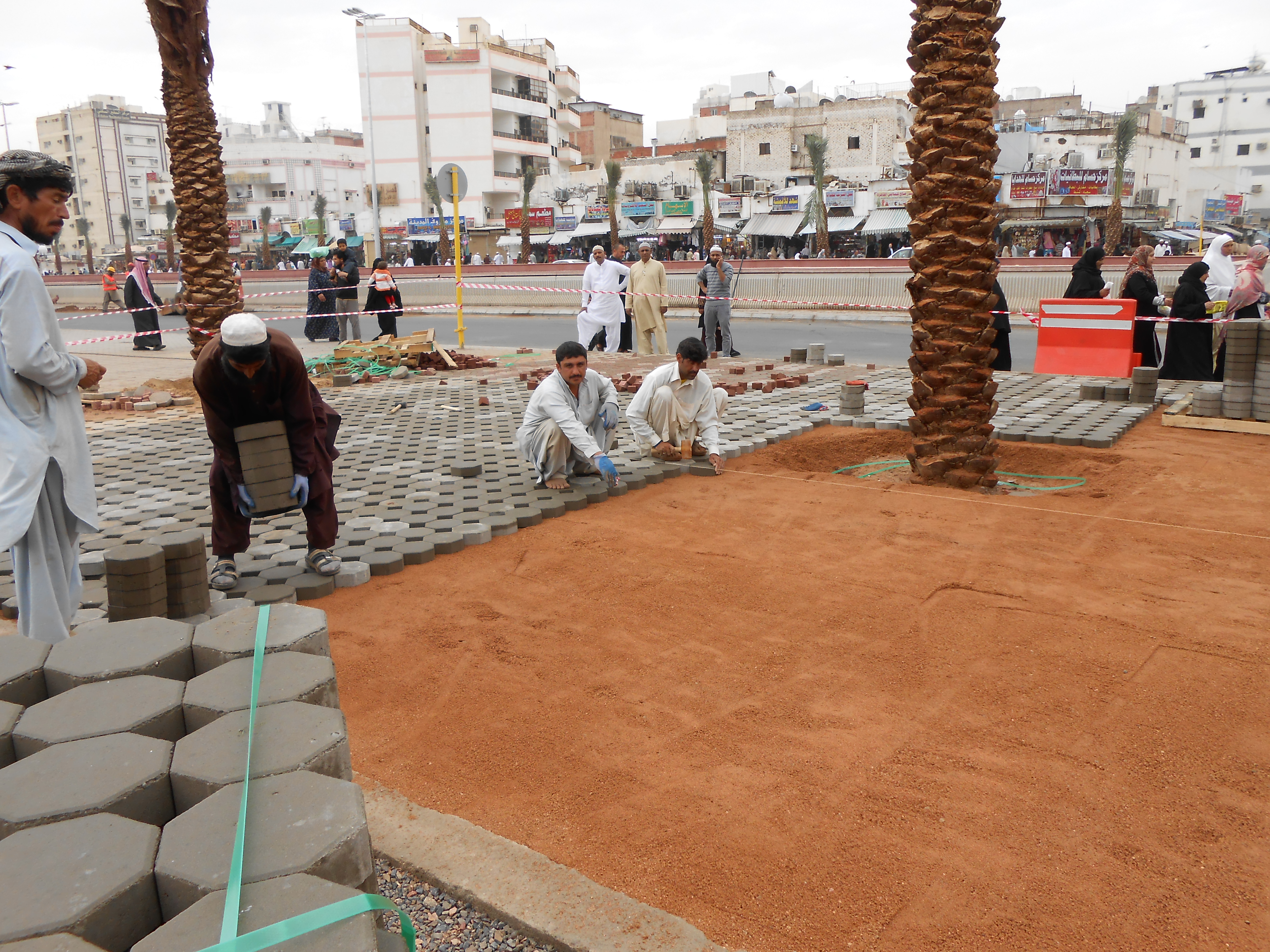
- Mass Labour Migration: Millions of working-class Pakistanis moved to Gulf states during the 1970s–80s oil boom.
- Remittance Economy: $3B+ annually — not a policy outcome, but an accidental windfall that diffused urban pressure.
- Political Consequence: Rising household consumption absorbed discontent the state could not address through reform.
Rural Power & Its Contradictions — Ch. 2 (Kennedy)
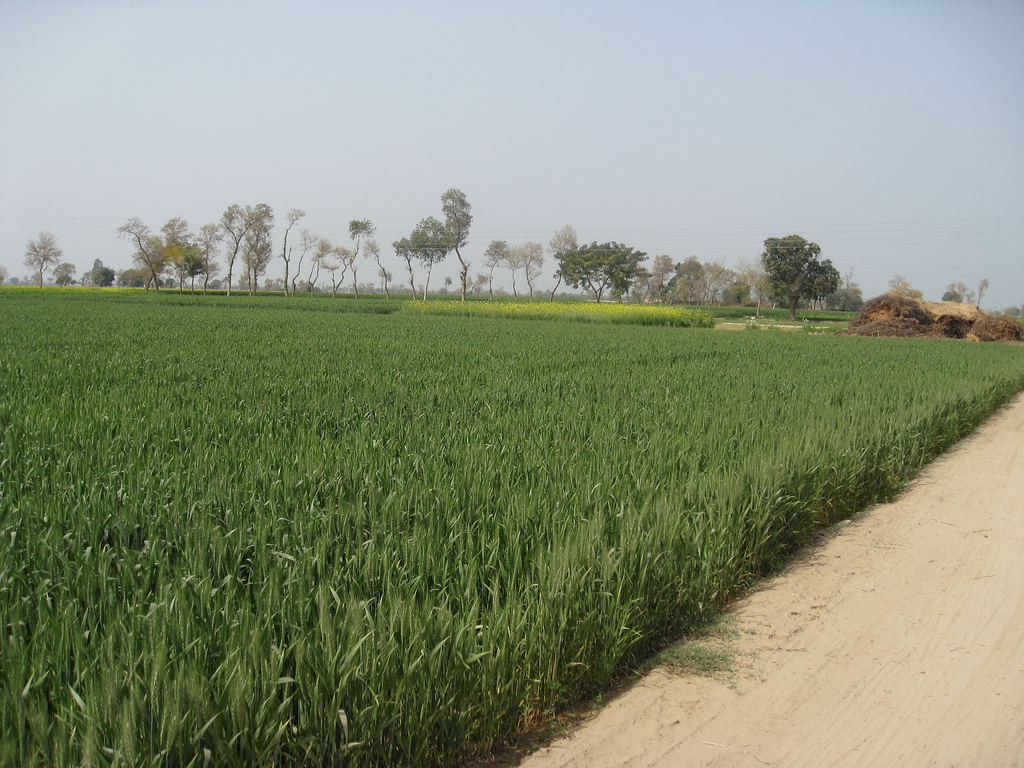
- Zamindar Accommodation: Zia preserved feudal landownership structures to retain rural political loyalty.
- Green Revolution Disruption: Mechanisation empowered medium landowners but displaced tenant farmers, creating a new landless class.
- Dual Safety Valve: Gulf migration and military enlistment — with strong benefit packages — absorbed rural surplus labour and forestalled unrest.
Pakistan's Economic Paradox (pp. 47–50)
Mid-1980s Pakistan was nearing middle-income status, comparable to South Korea and Taiwan — yet political instability remained high.
- Three explanations: growth creates tension; growth reduces unrest; politics operates independently. Adams argues all three are partially true.
- Informal economy (remittances, smuggling, underground trade) made people "feel richer."
- Growth reduces unrest only if expectations stay controlled — sudden loss of informal income turns growth into grievance.

Economic Performance Under Zia vs. Predecessors (pp. 51–58)

Economic Vulnerabilities & Political Risk (pp. 58–62)
- Private investment weak due to fear of nationalisation; public sector dominated.
- Very low savings rate (7–8% of GDP) and heavy dependence on remittances and foreign aid.
- Declining oil prices threatened remittance flows; Islamisation (zakat/ushr) caused social tensions seen as unfair to poorer groups.
- Regional inequality increased (Punjab vs. NWFP/Baluchistan); military-business ties risked damaging public trust.
The Military: Institutional Power & Security Dilemmas (pp. 63–84)
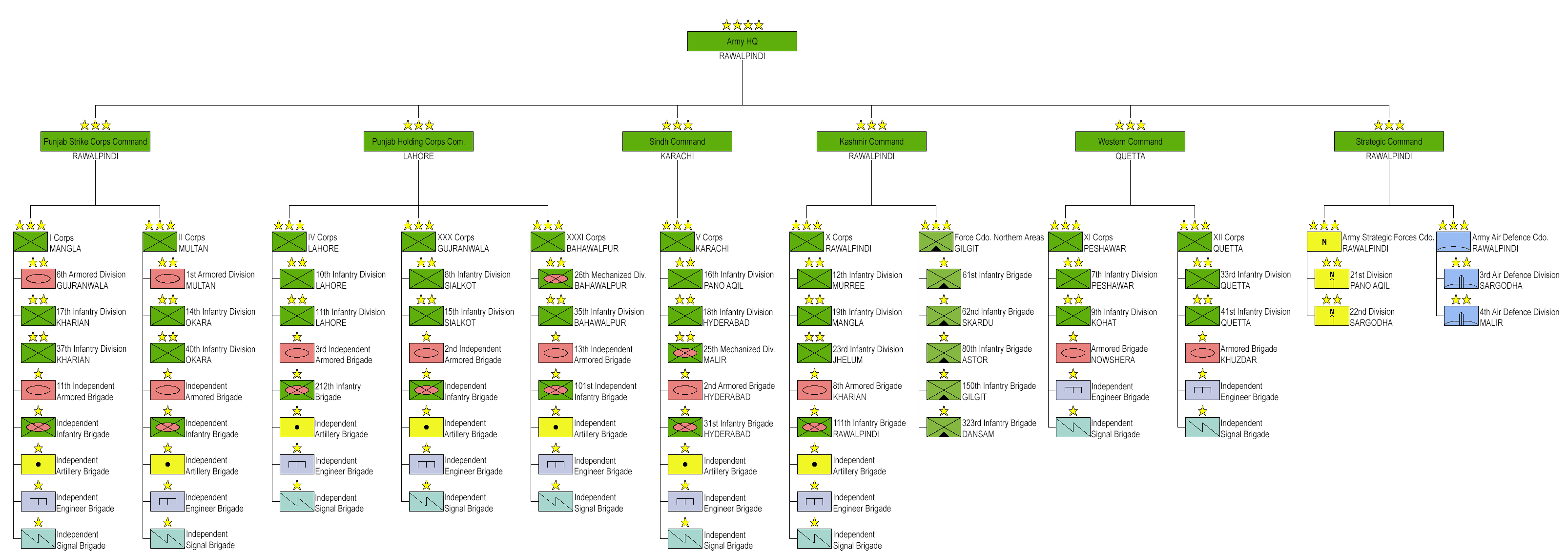
- Defence spending rose sharply; most funds went to salaries and benefits. ~20,000 troops stationed in Saudi Arabia.
- Military officers controlled provincial governorships and top government positions.
- National Logistics Cell expanded into commercial activities — smuggling links became a corruption risk.
- U.S. aid ($3.2B + F-16s) signalled political support more than military balance against India's asymmetric threat.

The Afghan Refugee Crisis: Scale & Origins
Afghan refugees were the largest refugee group in the world at the time — produced by three distinct waves of displacement.

Settlement Patterns & Ethnic Tensions
- 71% concentrated in NWFP and Tribal Areas — so dense, registration was closed by 1982.
- Relatively peaceful reception due to shared Pushtun ethnicity across the border.
- Relocation to Punjab sparked deep friction — historical rivalry between Pushtuns and Punjabis.
- Punjab camps found largely empty — refugees registered but refused to stay.

Refugee Economic Impact
Refugees deeply penetrated Pakistan's economy — trucking, daily labour, retail, tailoring, and smuggling became Afghan economic niches.
- ~60,000 Afghan families supported by the motorised transport sector alone.
- Short-term buffer: 3.5 million Pakistanis working abroad created job vacancies refugees filled.
- Long-term risk: returning Pakistanis would increase competition, drive down wages, and fuel resentment.

The Repatriation Problem
Studies show a critical turning point at 4–5 years — after which return becomes increasingly unlikely. Camp life normalises; ties to Afghanistan fade.
- Children entering Pakistani schools and losing connection with Afghanistan.
- New "ration malik" leaders emerged whose power depended on camp life — little incentive to encourage return.
- Risk of permanent settlement compared directly to the Palestinian situation in Lebanon and Jordan.

The Afghan Insurgency
- By late 1984, U.S. covert funding for the mujahideen was expanding to ~$200 million/year.
- Soviet strategy shifted to forced depopulation — described as "migratory genocide" — to eliminate insurgent support networks.
- Mujahideen were fragmented; Pakistan dealt mainly with Pushtun and Islamist factions.
- Risk: escalating U.S. aid could provoke Soviet cross-border retaliation against Pakistan.

Critical
Analysis
A critical examination of the scholarly perspectives in Zia's Pakistan — evaluating their strengths, limitations, and analytical framing.
LaPorte: Remittances as a Safety Valve
LaPorte praises Zia's overseas worker migration policy, arguing that remittances act as a safety valve — calming the economy and bringing prosperity to upper and middle classes.
Adams: The Case for "Muddling Through"
John Adams argues that Pakistan's economic success under Zia makes a strong case for ad-hoc "muddling through" — rather than strictly adhering to coherent, rigorous economic planning.

Jones: Military Business & the Fauji Foundation
Rodney W. Jones notes that the military deeply penetrated civil administration and the public sector, using the Fauji Foundation and the NLC to provide well-paid jobs for retiring officers.
- Fauji Foundation operated cement, fertiliser, and food industries.
- NLC controlled vast transport networks, including Afghan refugee logistics.
- Post-service patronage created a permanent vested interest in regime continuity.

Kennedy: Avoiding Rural Unrest in Punjab & NWFP
Charles H. Kennedy argues that Zia successfully avoided serious rural unrest in Punjab and NWFP by maintaining the traditional power status quo — avoiding the radical land reforms of previous regimes.
Farr: Afghan Refugees Handled Surprisingly Smoothly
Grant M. Farr states that while hosting nearly three million Afghan refugees presents great logistical difficulties, the situation has been handled surprisingly smoothly and without major violence.

The Birth of the "Kalashnikov Culture" & Narco-Economy
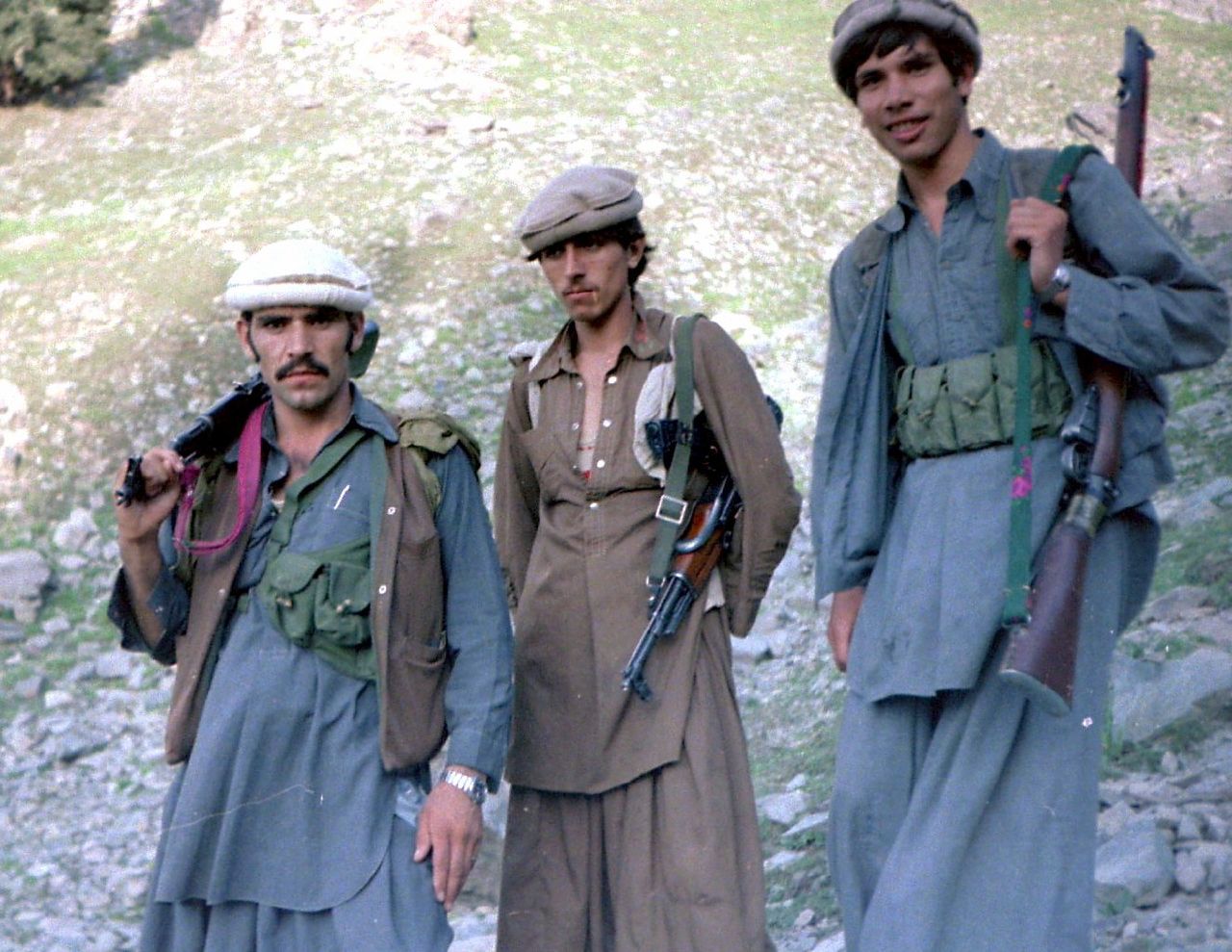
The Afghan war's most damaging legacy for Pakistan was the proliferation of weapons and narcotics — the so-called "Kalashnikov culture" — which fundamentally transformed Pakistani society.
- U.S.-supplied weapons for the mujahideen flooded Pakistani markets and criminal networks.
- Afghan opium trade expanded massively, turning Pakistan into a major heroin transit hub.
- Sectarian militias and armed political groups took root in urban centres, especially Karachi.
- Long-term consequences: destabilisation of cities and entrenchment of armed non-state actors.

Sectarian Time-Bomb — What the Book Got Wrong
The book touches on the Shia community's pushback against the Zakat ordinance, but frames it as a manageable, localised political grievance.
Constitutional Mutilation — The Eighth Amendment
Before lifting martial law in late 1985, Zia forced the newly elected, pliant parliament to pass the Eighth Amendment — fundamentally altering the 1973 Constitution.
- Transferred enormous power from the Prime Minister to the President.
- Made elected government subordinate to a president accountable to no electorate.
- Partyless 1985 elections ensured a compliant parliament with no mandate to resist.
- The amendment was used 4 times after Zia to dissolve governments, destabilising democracy until 1997.

1988 — The Democratic Façade Exposed
The authors dedicate considerable space to analysing Zia's "coalition building" and whether he could successfully share power with civilians. The definitive historical answer came in 1988.
- Zia dismissed PM Junejo in May 1988, proving elected government was always subordinate.
- His sudden death in August 1988 — not democratic pressure — ended military rule.
- The transition to Benazir Bhutto's government was not a gift of democracy but a power vacuum.
- Baxter's optimism about coalition-building was proven hollow by events the same year the book was relevant.

Conclusion
Zia ul-Haq's eleven-year rule was a paradox of Pakistani history: a regime that simultaneously stabilised and hollowed out the state.
- Survival by circumstance: Longevity owed more to Cold War patronage, Gulf remittances, and Afghan War dividends than to governance capacity or popular mandate.
- Growth without development: 6% GDP expansion masked structural rot — an informal economy, a narco-economy, and a military-industrial complex that crowded out civilian enterprise.
- Islamisation as instrument: Selective application of Islamic law — targeting women, minorities, and dissidents while exempting the military elite — reveals it as political control, not genuine reform.
- The Afghan War bargain: Short-term economic gains from hosting 3M refugees and CIA/ISI channels purchased long-term catastrophe: Kalashnikov culture, heroin epidemic, and entrenched sectarian militias.
- Institutional corrosion: The Eighth Amendment, non-party elections, and judicial manipulation produced a political system so distorted that democracy in 1988 was cosmetic at best.
- A legacy of fragility: Pakistan in 1988 was richer in remittances but poorer in institutions, more armed but less secure — more prominent on the world stage, yet more dependent on external validation than ever before.
Baxter's verdict: Zia survived because he managed the system better than his rivals managed opposition.
The regime endured through circumstance, coalition discipline, military power, religious legitimacy, and economic luck. It was accepted more than loved, stabilised more than democratised — and preserved by a world that treated Pakistan as strategically too important to fail. The Kalashnikov culture and narco-economy it left behind, however, proved far harder to govern than the regime that created the conditions for them.